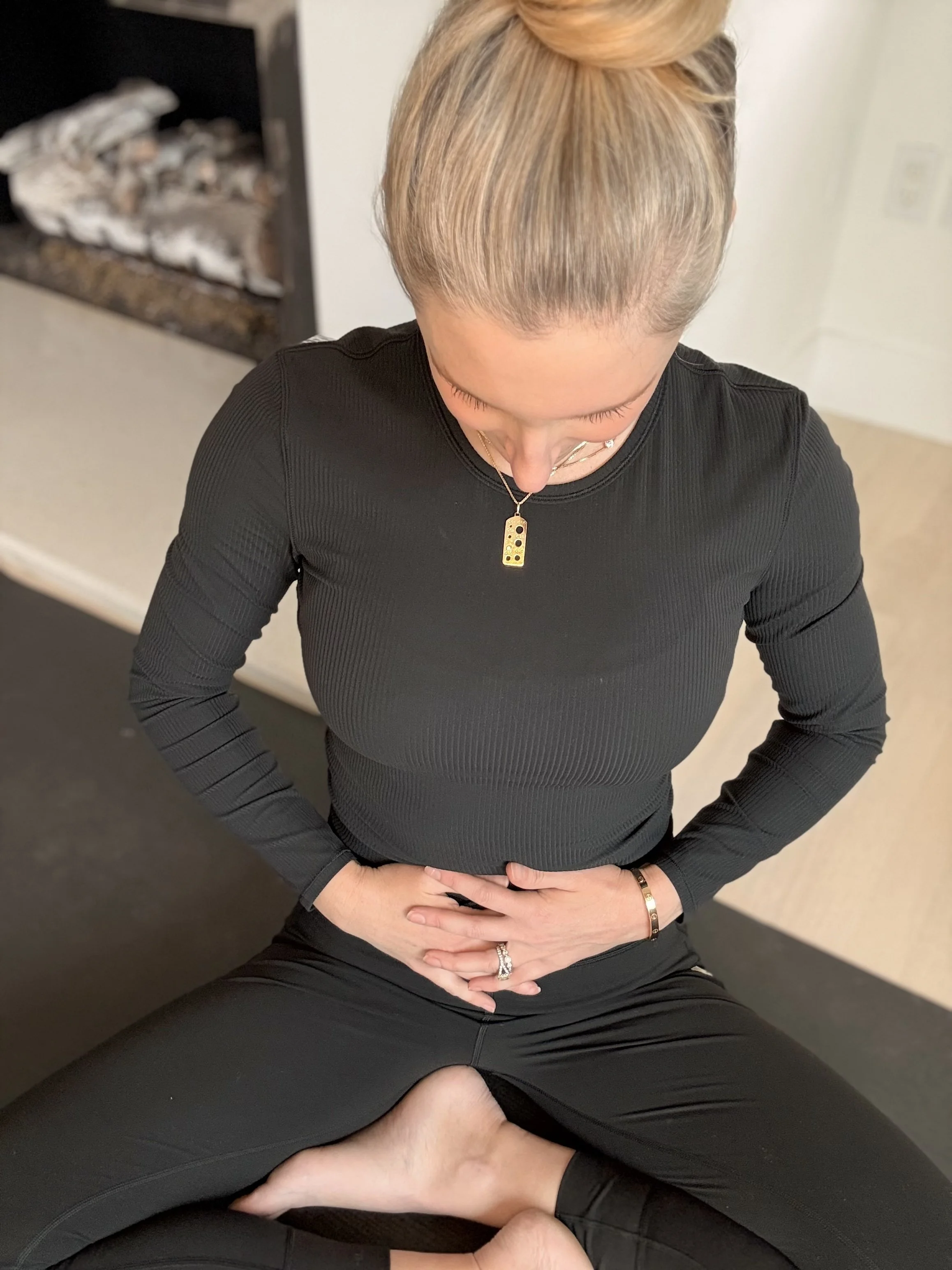
Why You Can't Diagnose Yourself Mid-Pose (And What to Do Instead)
I'd love to give you four clean categories and a chart that tells you when to keep going and when to stop. I can't — sensations coexist and mimic each other. Here's what actually works instead, why your breath is a brake rather than a guide, and the reason that distinction matters more in a studio class than in a program built around your history.
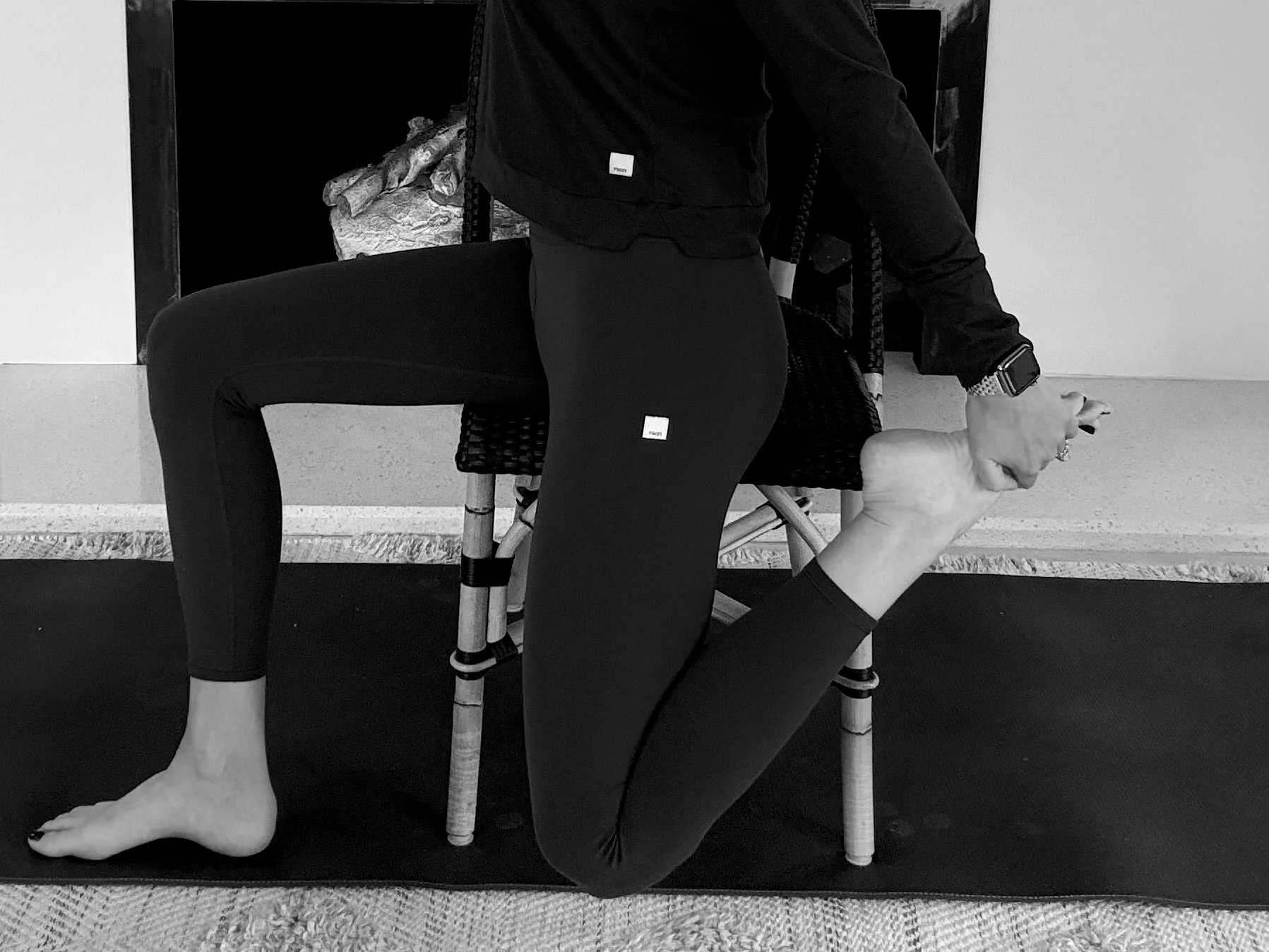
Static vs. Dynamic Stretching: The Question Isn't Which, It's When
Two people drop into the same hamstring stretch. For one of them it does real work; for the other it doesn't. Same depth, same thirty seconds — the difference is when. A look at static versus dynamic stretching for anyone who moves, plus the third option that rarely gets named.

A Fresh Start, Minus the Marketing
Labor Day gets sold as a fresh start, but your spine doesn't know it's September. The body doesn't recognize dates — it recognizes repetition. What an actual reset looks like, and where to begin whether you're mid-practice or still waiting for the "right time."
"Toning" — The Exercise Myth That Won't Die
"Toning" is one of the most successful words in fitness marketing, mostly because it doesn't mean anything specific enough to be wrong out loud. Here's what's actually happening when something feels more "toned" — and why the idea of spot-shaping a muscle doesn't hold up to a closer look.
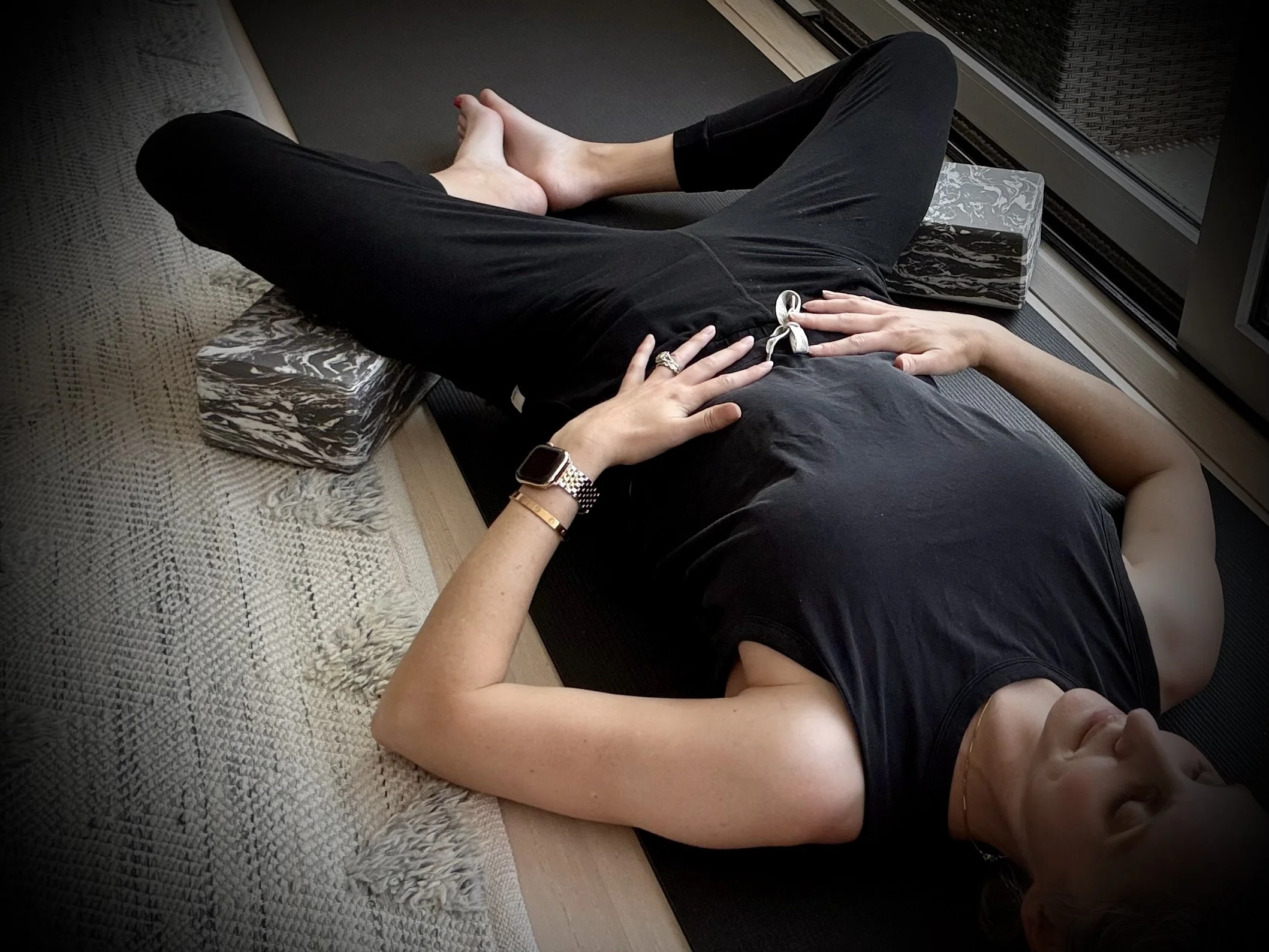
Restorative Yoga: Why It's Hands-Down My Choice
Restorative yoga doesn't ask your body to do anything — no stretch to chase, no shape to hold. Here's why that's exactly the point, what to actually watch for if your spine has a history (yes, even in a "gentle" class), and why this is the one style I always come back to.

Yin Yoga, Fascia — And Why This Matters If You Have a Spinal History
Yin yoga's biggest promise — releasing fascia through long, passive holds — isn't backed by the research most people think it is. Here's what's actually happening in your body during a five-minute stretch, why restorative yoga isn't the same thing (and shouldn't be confused with it), and why the difference matters most if your spine already has a history.
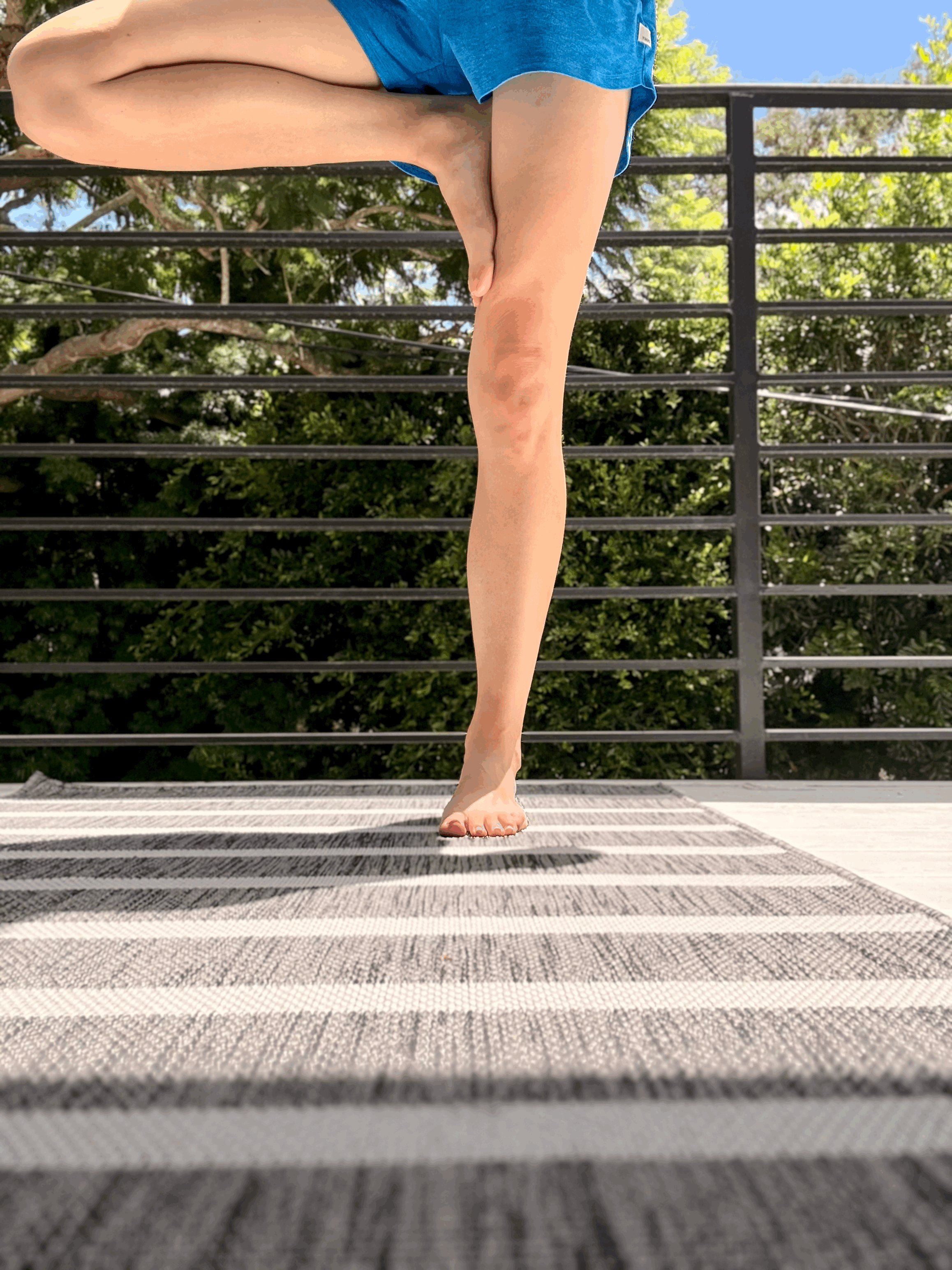
The 10-second habit before Tree Pose
Pro hitters don't stare at one thing — they scan first, then lock in. What that 2017 eye-tracking study gets right about balance, what it doesn't, and a 10-second habit to try before Tree Pose.
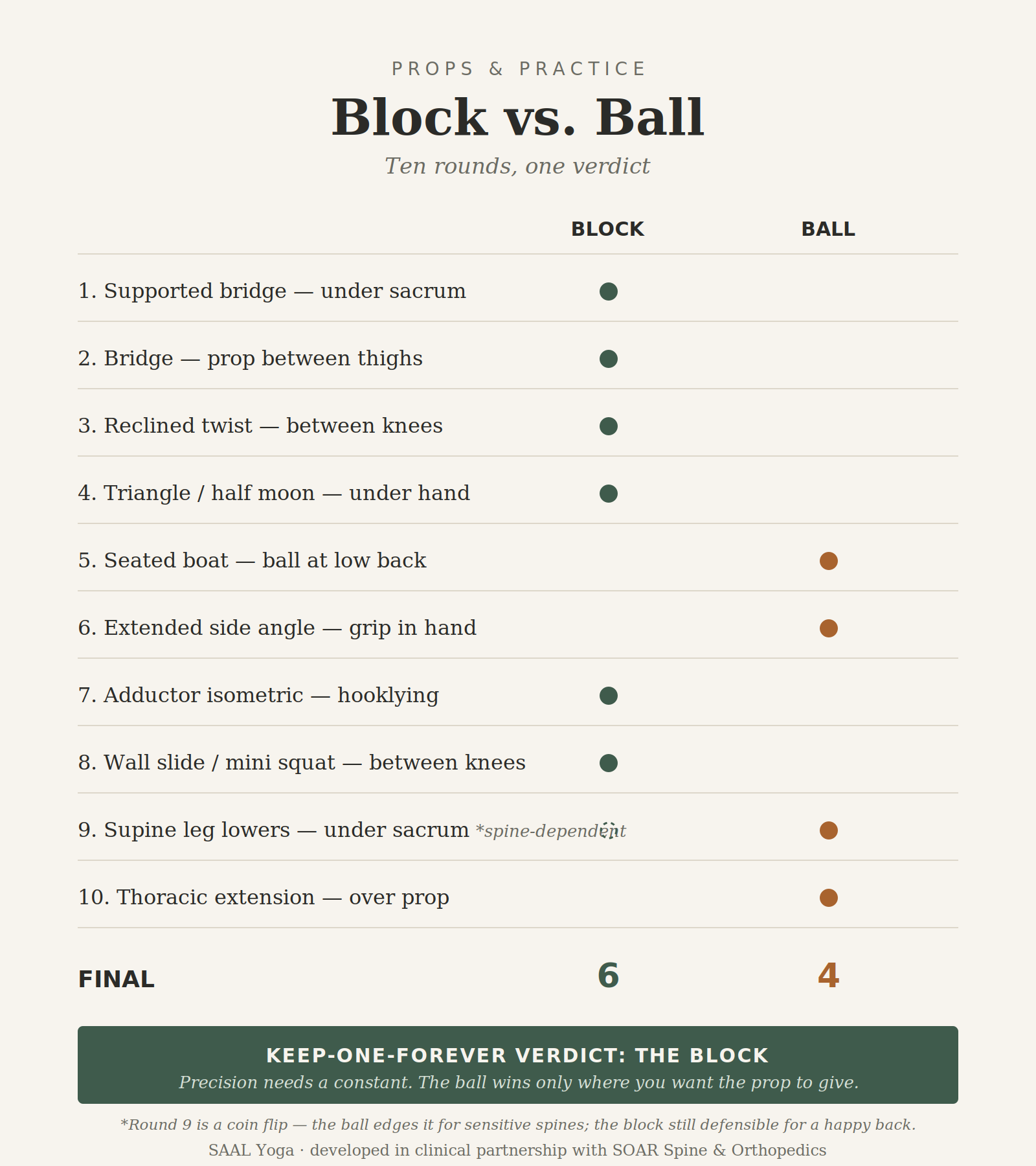
Yoga Block vs. Pilates Ball
A head-to-head across ten movements — six yoga poses, four rehab staples. Why the block wins the work that needs precision, where the ball genuinely earns its place, and a one-minute neutral-spine test you can try right now.
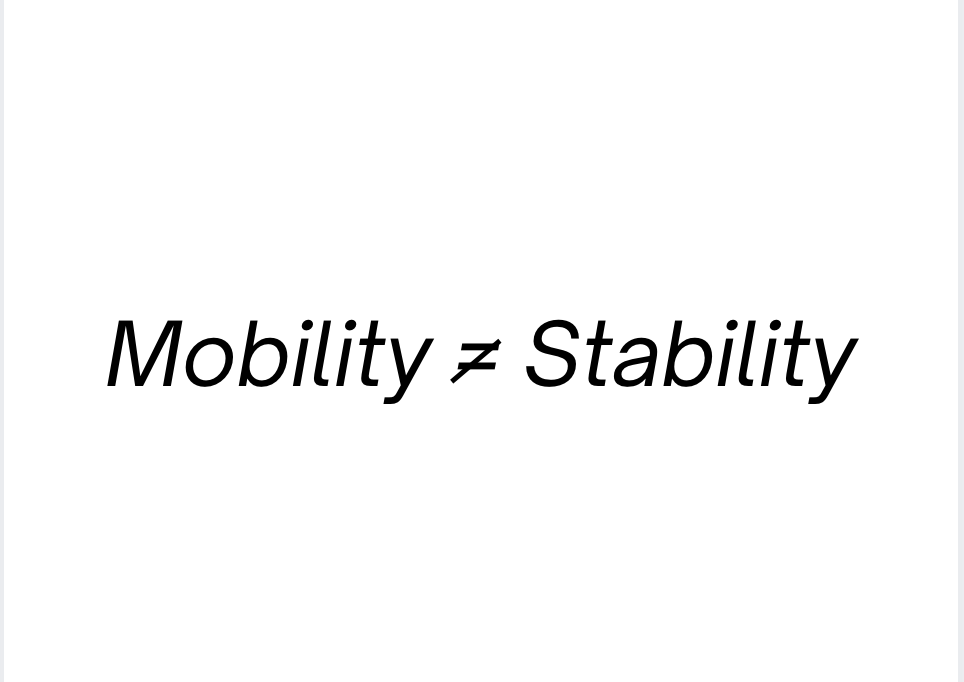
Hip Mobility vs. Hip Stability: Stop Confusing One for the Other
Mobility and stability aren't the same thing — yet most people spend years treating them like they are. If you've been stretching deeper and still not making progress, you might already have the range. What's missing is the control to use it.

Figure 4: Why It Shows Up Everywhere
Figure 4 looks simple. It also goes wrong constantly. Here's what you're probably doing instead of actually stretching — and how to fix it.

What "Neutral Spine" Actually Means
Neutral spine isn't a position. It's a range. And it's different for everyone — which is why the cues you've been given in group classes are, at best, approximate.
This post digs into what neutral spine actually means, why "controlled neutral" is the goal rather than the starting point, and a two-minute floor exercise to help you find yours.
Also the follow-up to the flatten-your-spine post, if you've been waiting for it.

The Day My Brain Forgot How to Work Out
Not another post about motivation. This one is about what actually happens — physically and mentally — when a consistent practice gets interrupted, and why the physical side is the easier thing to recover.
Two weeks away from structured training taught me something worth writing about. Especially the part that had nothing to do with my body.
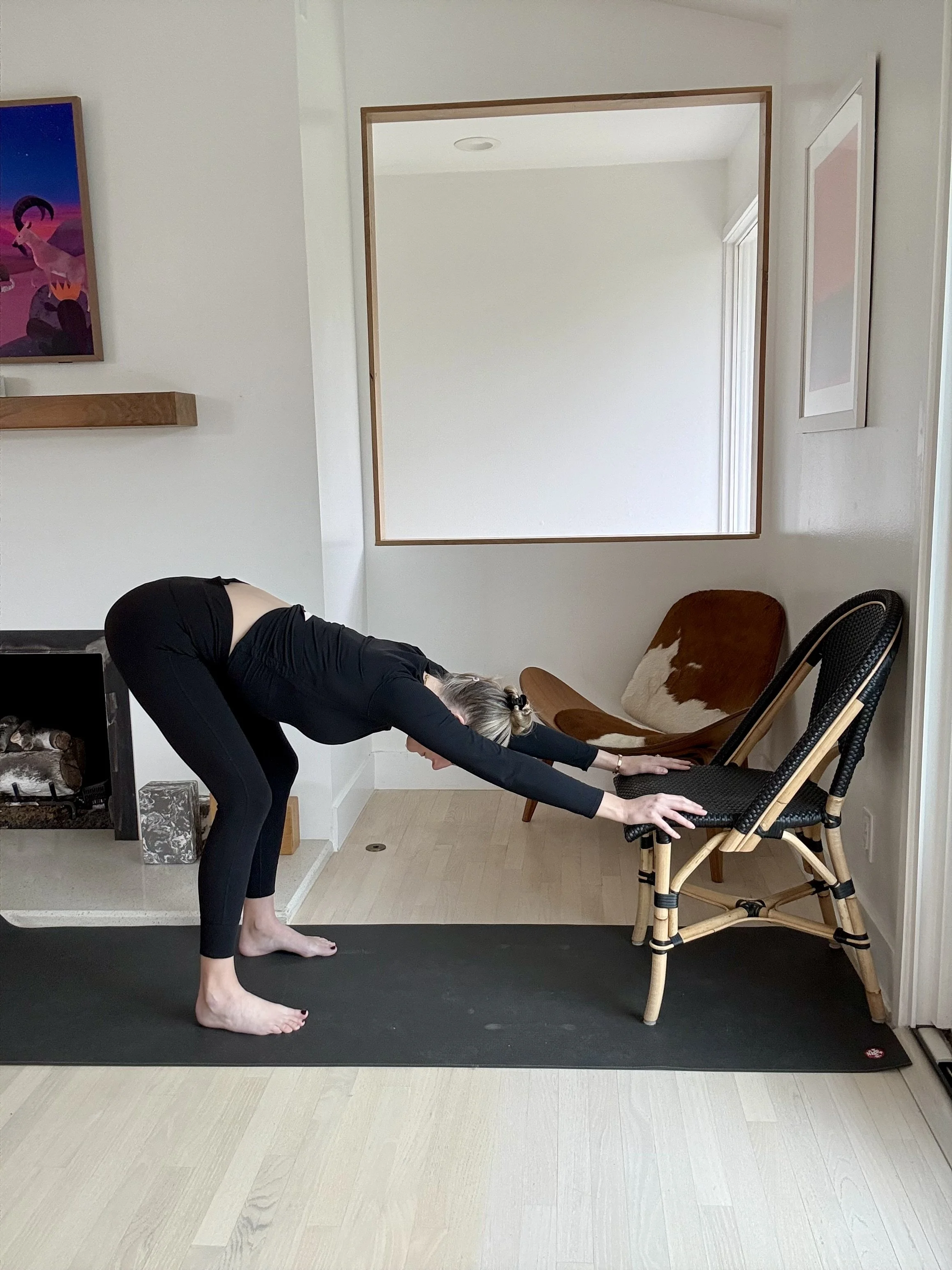
What "Listen to Your Body" Actually Means
I have said this phrase more times than I can count, with complete confidence and excellent intentions. I have recently come to recognize that it is not, on its own, a complete sentence. Here's what it actually means.
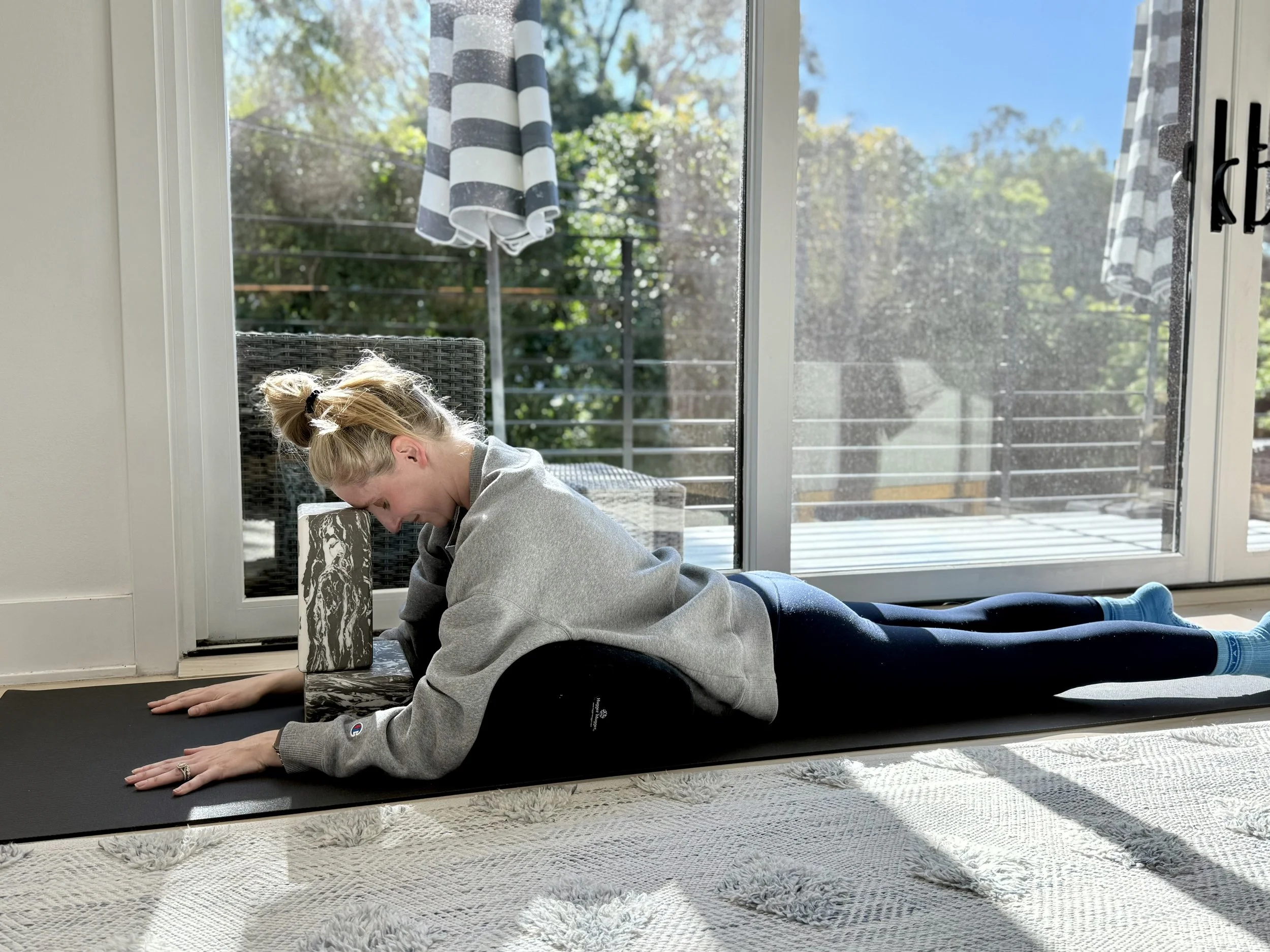
The Movement Stack for a Complicated Spine
Most people with a complicated spine don't have a movement problem. They have a trust problem. Here's the framework for building a practice that addresses both.

Is this your missing piece?
There's a version of this post that's just a sales page with better prose. This isn't that. Here's the honest breakdown — who Fundamentals was built for, who should wait, and what 28 days actually asks of you.
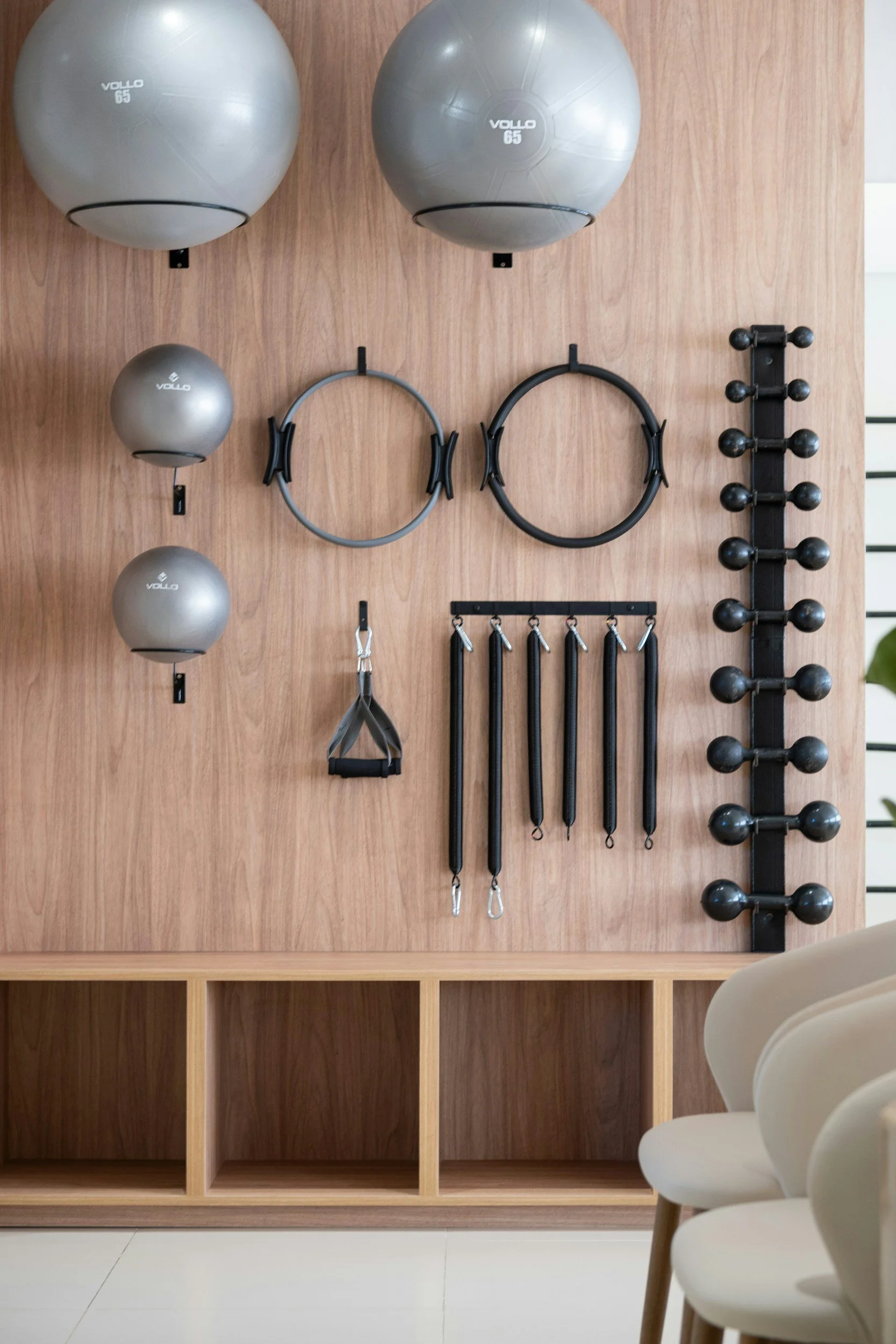
Resistance training keeps me strong. Yoga keeps me safe.
Yoga and resistance training. One builds muscle under load. One teaches you to feel what's happening in your body and know whether it's right for your spine. Neither is sufficient on its own. Here's why I do both — and what that means for building a sustainable practice.

We need to talk about the “Flatten your spine” cue…
"Flatten your spine." It's everywhere — Pilates, yoga, reformer, group fitness. But it wasn't designed for every spine. Understanding whether this cue is appropriate for yours is clinical, not optional.

A Guide to the Many Faces of Yoga
If yoga has ever felt like it wasn't for you, you probably just found the wrong door. This is an honest, no-jargon guide to every major style — what each one actually is, what you're walking into, and whether you should be walking into it at all if your spine has a history. Some styles I'd point you toward with confidence. One I'd steer most people with flexion restrictions away from almost entirely. The full breakdown is here, including where SAAL Yoga fits in the landscape and why it was built differently.
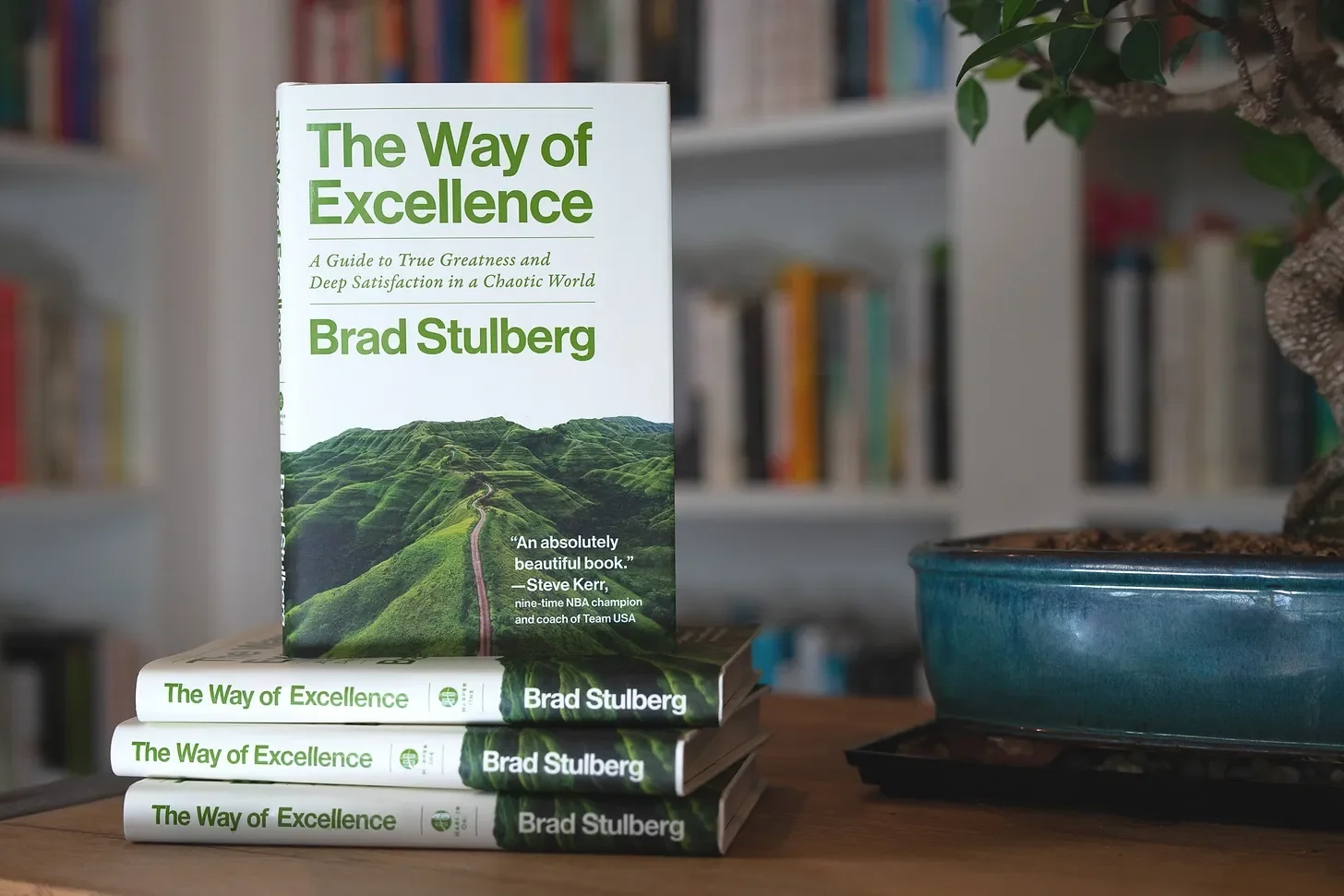
The 11 words that (may) explain why your back isn’t getting better
A performance expert published 35 rules for living an excellent life. At least eight of them are also a remarkably accurate description of what it takes to actually care for your spine. Rule #20 — the one about strength and flexibility — is so close to a clinical principle that I read it twice. The full list is here, with my take on the ones that matter most for your body.
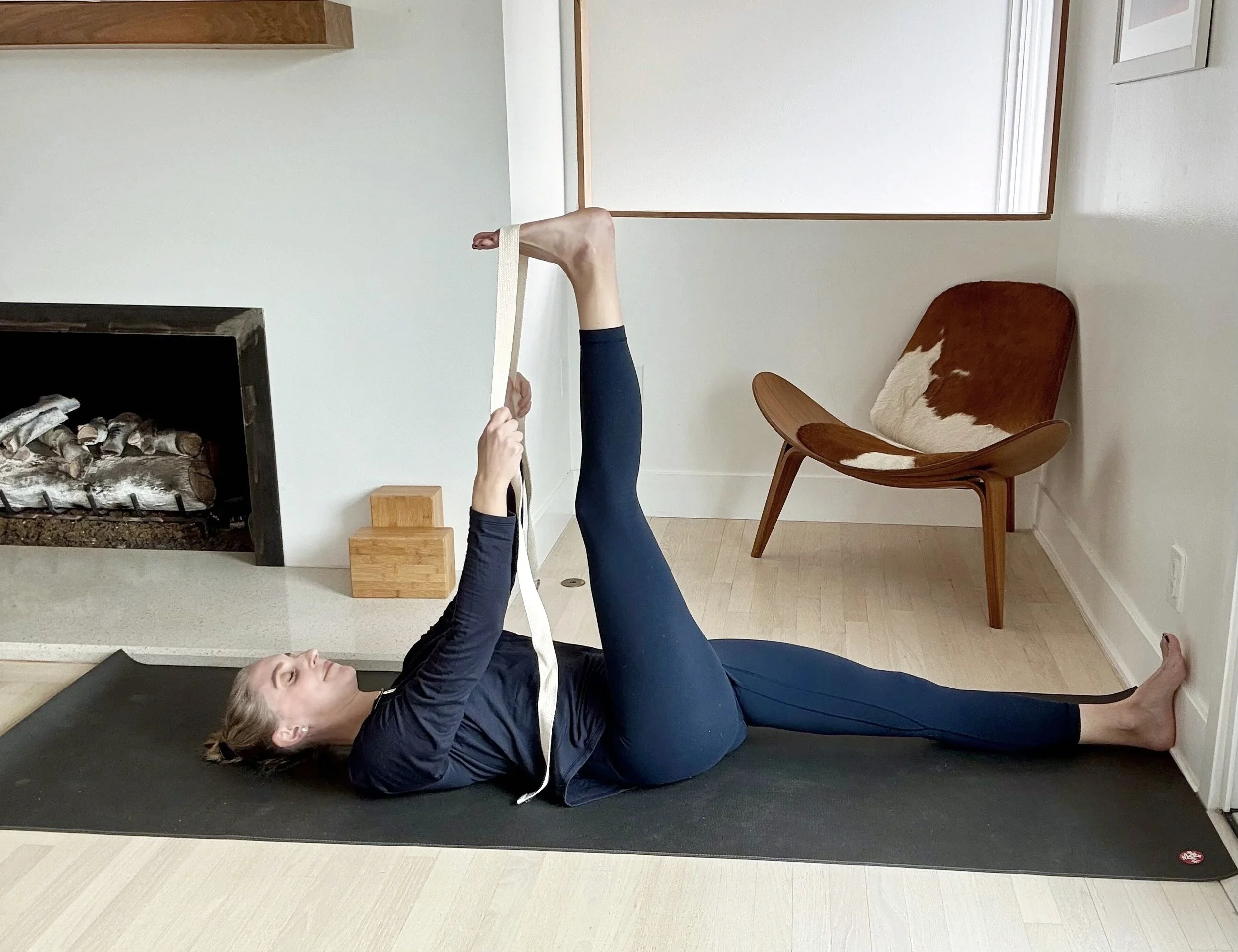
I Don't Care If You Can Touch Your Toes
Flexibility is not the goal. For a spine with a clinical history, it's often actively working against you. This post makes the case for measuring what actually matters — the milestones that reflect a body moving through a real life without pain — and why the things that photograph well in yoga are frequently the least useful things to chase.