The Magic of One Tiny Change
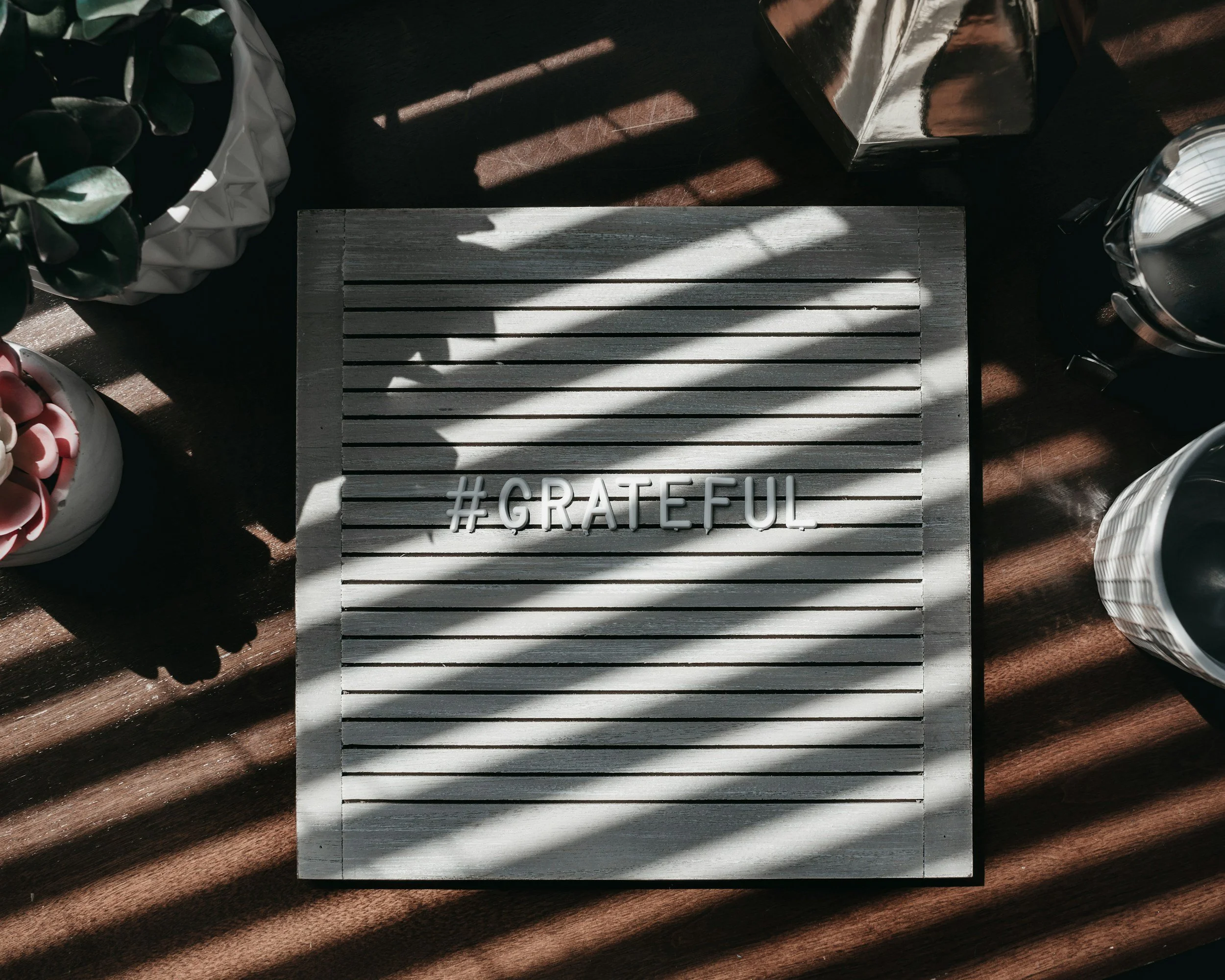
’Tis the season for family gatherings, last-minute gift shopping, festive parties, and much-needed travel plans. But let’s be real—alongside all the cheer, stress and burnout often tag along too. The weight of it all can feel exhausting, especially when everyone’s expected to be merry. It’s okay to admit that the holidays aren’t always easy.
But here’s something you might not expect: one of the most powerful tools for shifting your mental and physical well-being doesn’t require a prescription, a gym membership, or even much time. It’s gratitude.
I’m not talking about forced positivity or ignoring what’s hard.
I’m talking about the simple, intentional practice of noticing what’s actually working in your life, even when everything feels like it’s falling apart.
What Gratitude Does to Your Brain
When you pause to appreciate something—a warm cup of tea, a kind text from a friend, the fact that your body carried you through another day—something fascinating happens in your brain.
The emotional centers, the ones constantly scanning for threat and comparison, start to quiet down. Meanwhile, the areas responsible for clear thinking, decision-making, and planning get stronger. In other words, gratitude helps your brain find balance.
Research consistently shows that people who practice gratitude regularly experience better sleep, lower stress levels, stronger relationships, and improved physical health. They’re also more likely to follow through on their goals.
This isn’t because they’re luckier or have easier lives. It’s because they’ve trained their minds to focus on what’s meaningful instead of what’s missing.
The Digital Trap and the Gratitude Antidote
Our modern world makes it harder than ever to stay grateful. Social media feeds us an endless stream of comparison, envy, and distraction. It keeps our nervous systems buzzing with low-grade stress, always searching for the next thing, always feeling like we’re not enough.
But gratitude pulls us back to what’s real. It anchors us in the present moment and reminds us that even in difficulty, there’s something worth noticing.
Think of gratitude as a form of mental strength training. Just like yoga builds physical resilience through consistent practice, gratitude builds emotional resilience through consistent attention.
Why This Matters for Your Body
Here’s something that might surprise you: gratitude isn’t just a mental exercise. It changes how your body functions.
Brain imaging studies reveal that chronic stress and negative thought patterns light up the worry circuits in your brain and dim the reward circuits. Over time, this imbalance can contribute to inflammation, poor sleep, digestive issues, and a weakened immune system.
Gratitude flips the script. When you intentionally focus on what you appreciate, you’re essentially rewiring your brain toward calmness and clarity. You’re shifting from a “threat” pattern to a “thankful” pattern—and your body responds accordingly.
I’ve always believed that the body and mind are inseparable. What happens in your thoughts directly impacts how you feel physically. And gratitude is one of the most accessible ways to create positive change in both.
How to Start (Without Making It Complicated)
The beautiful thing about gratitude is that it doesn’t require perfection or a big time commitment. It’s about building small, sustainable habits that gradually reshape how you see the world.
Here are some practical ways to weave gratitude into your daily routine:
Create a nightly gratitude ritual. Before bed, mentally list three things that went well that day. They don’t have to be big. Maybe you had a good conversation, enjoyed your lunch, or noticed the sky. This simple practice trains your brain to scan for the positive instead of dwelling on the negative.
Notice your breath. Your breath is always with you, and it’s always something to be grateful for. Even in moments of stress or overwhelm, taking a few conscious breaths reminds you that you’re here, you’re alive, and you’re okay right now.
Move with intention. When you practice yoga or any form of movement, bring gratitude into it. Appreciate what your body can do, not what it can’t. Feel thankful for the strength, flexibility, or simply the ability to show up on your mat.
Take a tech break Set aside time each day—even just 15 minutes—to unplug completely. Use that time to rest, move your body, or simply sit in stillness. Notice how your nervous system settles when you step away from the constant stimulation.
Write it down. Keep a gratitude journal where you jot down what you’re thankful for. Writing engages a different part of your brain than thinking alone, making the practice more powerful.
Tell someone. Expressing appreciation out loud deepens connection and amplifies the positive effects. Send a text, make a phone call, or simply tell someone face-to-face why you’re grateful for them.
It’s a Practice, Not a Performance
Gratitude isn’t about pretending everything is perfect or suppressing difficult emotions. It’s about expanding your perspective so you can hold both the hard and the good at the same time.
Some days, gratitude will come easily. Other days, it will feel forced or even impossible. That’s okay. Like any practice, it gets easier with repetition.
The key is intention. Every time you pause to notice something you’re grateful for, you’re strengthening a neural pathway. You’re teaching your brain that there’s more to life than stress, comparison, and striving.
You Don’t Need to Wait for the New Year
You don’t need a special occasion to start living with more gratitude. The sun is still rising. Your lungs are still breathing. Your body is still supporting you, even when things feel heavy.
These aren’t small things. They’re everything.
Start now. Notice one thing you’re grateful for in this moment. Then tomorrow, do it again. And the day after that. Over time, these small moments add up to a profound shift in how you experience your life.
Your brain, your body, and your overall well-being will thank you for it.